
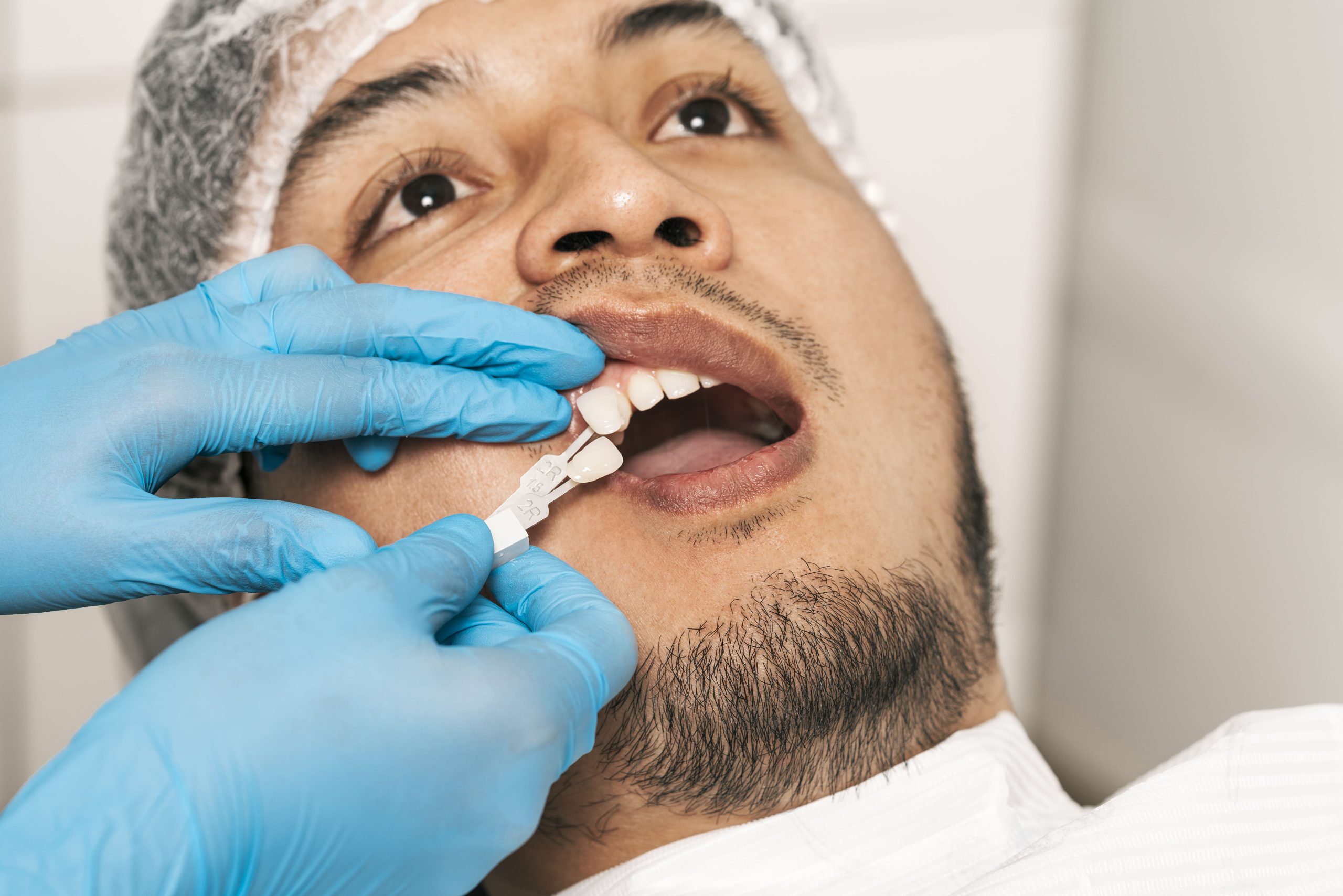
That sudden moment when a crown shifts loose mid-meal, or drops clean out, tends to set off a small wave of worry. There’s no need to panic. In most situations, when you’ve lost a dental crown, it isn’t a true dental emergency, though it is something worth sorting out quickly.
The tooth underneath is real, exposed and usually a little fragile, so the sensible approach is learning which signs mean “book within the week” and which mean “seek help today.”
Why an Exposed Tooth Needs Your Attention
Crowns rarely sit on perfectly healthy teeth. More often, they cap a tooth already weakened by past decay, a fracture or root canal treatment. Strip away that protective layer and the inner dentine sits open to temperature, pressure and bacteria.
You might feel nothing at all, yet the tooth is far weaker than its neighbours and prone to chipping under everyday chewing. Teeth treated with root canals turn brittle over time, which is exactly why dentists view a missing crown as time-sensitive rather than something to ignore for weeks.
First Steps the Moment Your Crown Comes Off
A few quick actions can protect the tooth before you reach the surgery:
- Find the crown: Rinse it gently under cool water and avoid scrubbing it hard.
- Store it safely: Place it in a small, clean, hard container such as a pill box rather than wrapping it in tissue, since fibres cling to the inside.
- Protect the area: Steer clear of chewing on that side and rinse with warm salt water after meals.
- Skip the household glue: Never use superglue or any household adhesive, as these are unsafe in the mouth and can damage the tooth and crown.
Spotting a True Dental Emergency
This is the question most people are really weighing up, so here is a clear way to read the situation.
Situation | What It Usually Means |
No pain or only mild sensitivity, crown intact, no swelling | Reasonable to book a routine appointment, ideally within a few days |
Sharp or throbbing pain, gum swelling, a jagged crown edge catching your cheek, or an exposed root-treated tooth | Seek urgent dental care promptly |
Facial swelling spreading towards the eye or neck, difficulty breathing or swallowing | Treat as a medical emergency: go to A&E |
A crown that once protected a root canal tooth deserves extra attention, since those teeth are noticeably more brittle once left bare. And if you happen to swallow a crown, try not to worry. Most pass through without trouble, though chest pain or coughing would point to something needing prompt medical help.
Holding the Fort Until Your Appointment
Pharmacy dental cement is the proper short-term measure and is simple to apply. Clean the inside of the crown, add a little cement and seat it gently back over the tooth. If none is to hand, denture adhesive or even petroleum jelly can hold the crown briefly.
Should a sharp edge be catching your tongue, soft dental wax smoothed over it offers relief. None of these is a permanent repair, so book in regardless of how secure things feel.
What Treatment Involves
When the crown and tooth are both sound, the dentist typically recements it. They clear away old cement, check for hidden decay, confirm the fit and secure it with fresh dental cement, often within half an hour. Refitting isn’t always safe, though.
Decay may have crept in underneath, the crown could be fractured, or the bite may have shifted so it no longer fits. A replacement is then made, with a temporary crown fitted to shield the tooth while the new one is prepared.
Keeping Your Crown Where It Belongs
Regular check-ups let small problems surface before a crown loosens. Going easy on hard or sticky foods reduces strain on your restorations, and if you grind your teeth at night, a guard can spare them considerable wear. Brushing twice daily and cleaning carefully around the crown margin keeps bacteria from gathering where it meets the gumline.
Protecting Your Tooth After a Lost Crown
A lost crown becomes far more manageable once you can read the signals, protect the tooth and book in at the right pace. Should you ever find yourself having lost a dental crown, stay calm, take the simple protective steps above, and let a qualified dentist make the final call on whether you need a same-day visit or can comfortably wait.
Acting promptly is the surest way to keep that vulnerable tooth healthy and avoid a small problem turning into a bigger one.