
Tooth pain rarely picks a convenient moment. It flares up on a Sunday evening, halfway through dinner, or at three in the morning when every practice in the country is closed. Reach for the kitchen cupboard, and someone will tell you to rinse with salt water.
It may be the oldest piece of mouth advice in Britain, handed down through generations with little questioning. But does a spoonful of salt genuinely settle a throbbing tooth, or does it simply give you something to do until a toothache dentist can see you? Let us look at what a rinse really achieves.
Why Teeth Start Hurting in the First Place
Pain is a warning signal, not a random event. Something inside or around the tooth has been disturbed, and your nerves are reporting it.
Common culprits include a cavity that has worked its way through the enamel, a cracked or chipped tooth, a filling that has come loose, and inflamed gums. Wisdom teeth pushing through without enough space cause plenty of grief too.
Grinding at night wears surfaces down and leaves teeth tender by morning. Sensitivity can also produce sharp jolts when hot or cold hits an exposed area.
Each of these sits at a different depth. That matters enormously when you are deciding whether a home remedy stands any chance of helping.
What Salt Water Actually Does Inside Your Mouth
A saline rinse is not a myth. It has a real, if modest, effect on the tissues it touches.
Here is what happens when you swish:
- Flushes trapped debris: Food wedged between teeth or under the gum line gets loosened and washed away, which often eases pressure straight away.
- Soothes irritated gum tissue: Warm saline draws fluid from swollen areas, so tender gums feel calmer for a while.
- Reduces surface bacteria: Salt shifts the balance in your mouth so bacteria find the environment less comfortable.
- Cleans without stinging: Unlike alcohol based mouthwashes, saline will not burn an already sore patch of gum.
Think of it as gentle housekeeping rather than treatment. Relief is real, though it fades within an hour or two.
Mixing and Using a Rinse Properly
Getting the ratio wrong wastes your effort, and too strong a rinse irritates the very tissue you are trying to settle.
Follow these points:
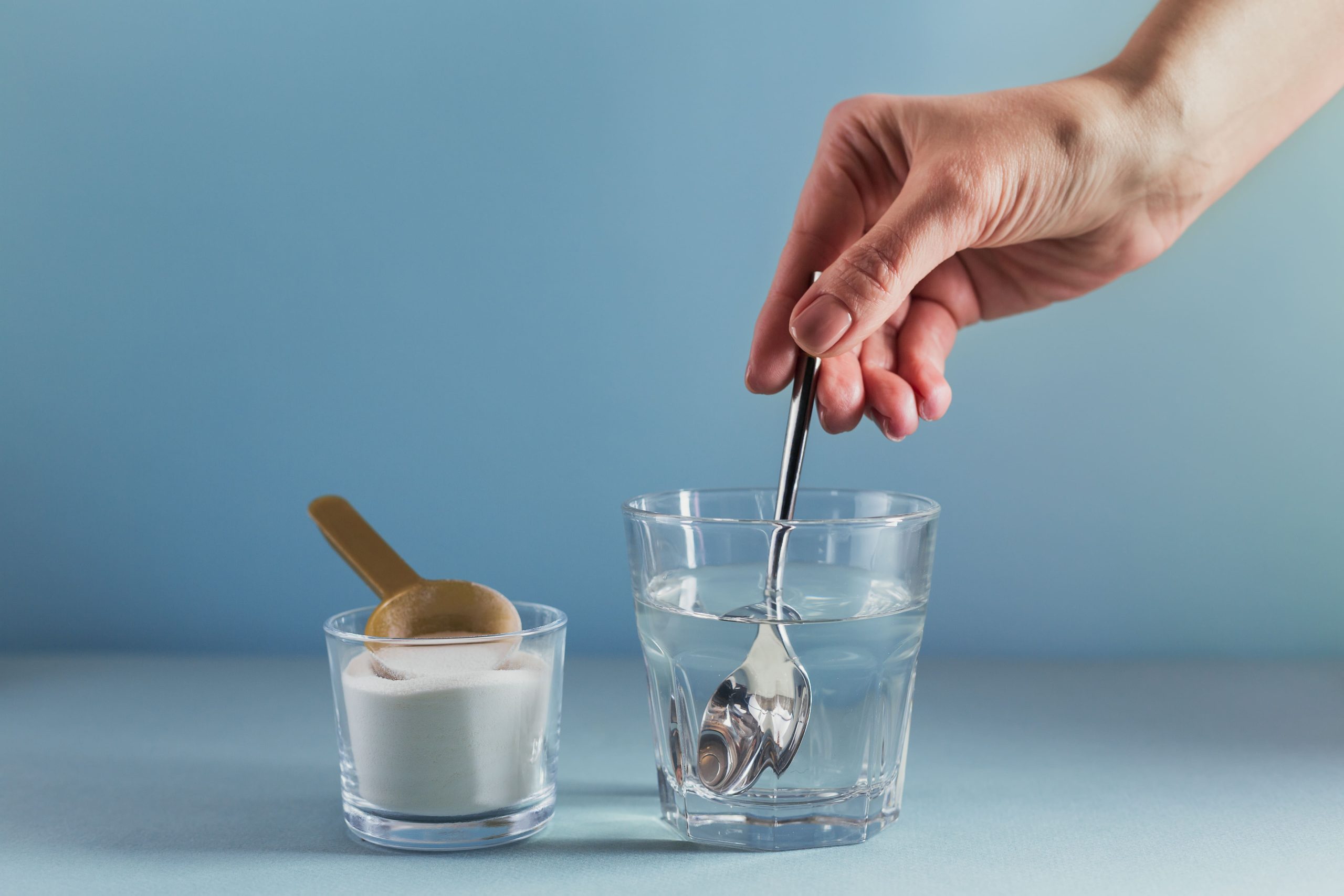
- Measure the salt: Half a teaspoon dissolved in a full glass of warm water is the standard NHS guidance.
- Use warm water, never hot: Warmth helps the salt dissolve and feels comforting. Hot water can make a sensitive tooth scream.
- Swish gently: Twenty to thirty seconds is plenty. Vigorous rinsing does nothing extra and may aggravate sore gums.
- Spit it out every time: Swallowing salt water is not the point and is not good for you.
- Keep children away from it: Youngsters may swallow the solution, so this remedy is for adults only.
- Wait after an extraction: Avoid rinsing for the first day so the blood clot in the socket stays put.
Where a Salt Rinse Stops Working
Now for the part people find disappointing. Enamel is a sealed barrier. If bacteria have travelled into the pulp at the centre of a tooth, no amount of rinsing will reach them because saline cannot pass through a solid surface.
This is exactly why a cavity keeps aching despite three rinses a day. Decay is a structural problem, and structure needs repairing. A tooth decay dentist removes the damaged portion and seals the tooth, which is something no home remedy can imitate.
The same applies to deeper gum problems. Salt water skims the surface but never reaches inside a periodontal pocket, and it cannot shift hardened tartar clinging to a root.
Signs Your Toothache Needs Urgent Attention
Some symptoms move well beyond the reach of anything in your kitchen. Book an appointment if pain lasts longer than two days, if painkillers barely touch it, or if you notice a high temperature, pain when biting, red gums, or an unpleasant taste in your mouth.
Swelling changes the picture entirely. A puffy cheek or jaw suggests infection is building, and that requires a gum infection dentist rather than watchful waiting. Should swelling spread towards your eye or neck, or start affecting your breathing, swallowing or speech, treat it as a medical emergency and head to A&E.
Habits That Keep Tooth Pain From Returning
Prevention is far kinder than crisis management. Brush twice daily for two minutes using fluoride toothpaste.
Clean between teeth every day with floss or interdental brushes, since that is where trouble usually begins. Keep sugary food and drink to mealtimes only. Attend checkups even when nothing hurts, because small problems are silent long before they are painful.
What Salt Water Can and Cannot Fix
So, does salt water help a toothache? Yes, in a limited and temporary way. It cleans, it comforts, and it costs almost nothing. What it never does is repair a tooth, clear an infection or halt disease that has already taken hold.
Use it as a bridge, not a destination. Rinse for comfort, take suitable painkillers, eat soft food, and arrange to be seen by a toothache dentist as soon as you can.
Pain that keeps returning is telling you something, and the sooner someone looks properly, the simpler the fix tends to be. If your tooth has been aching for more than a couple of days, pick up the phone today rather than hoping tomorrow feels better.