
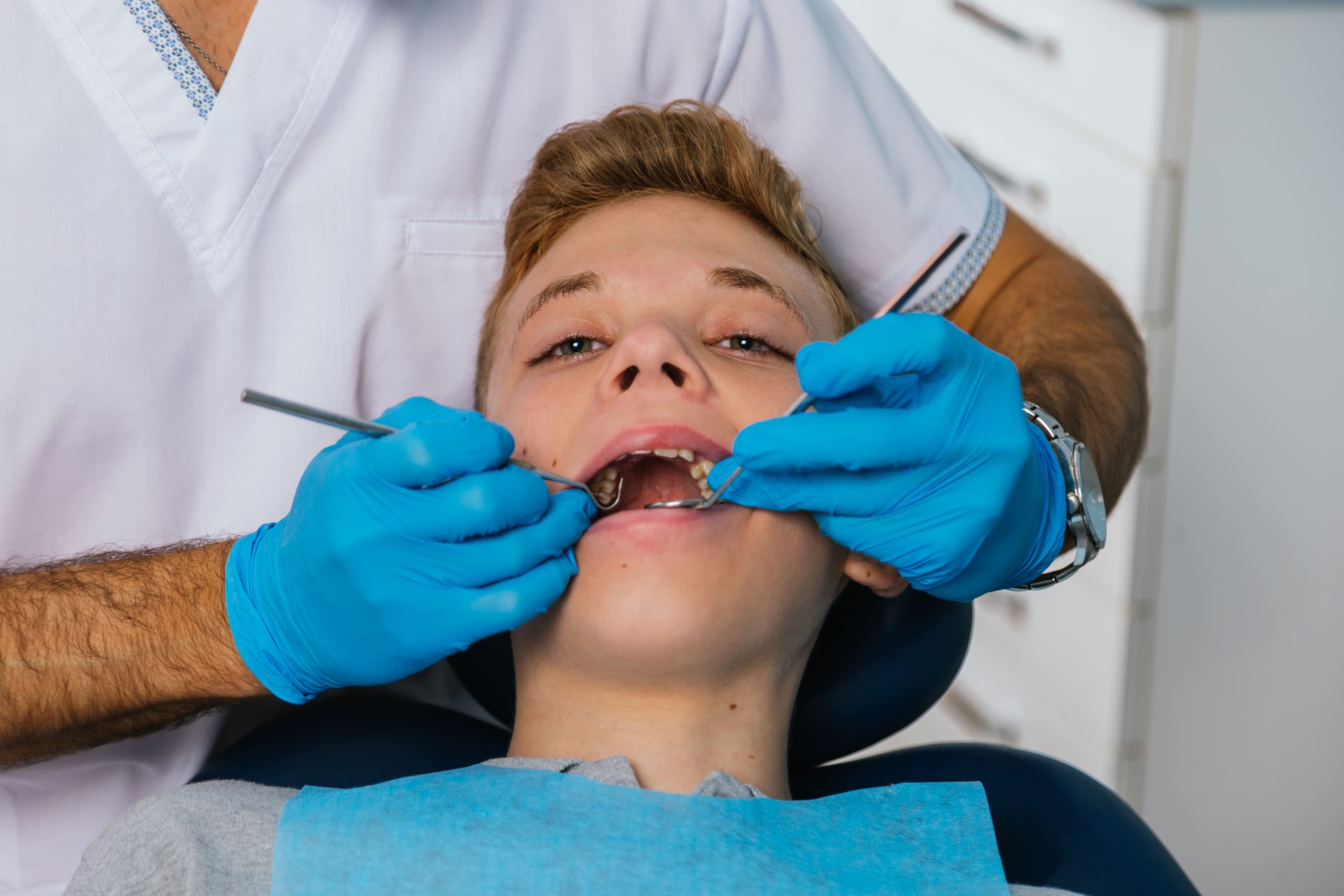
A damaged tooth rarely fits neatly into one category. Some chips are so small you only notice them when your tongue catches a rough edge. Others split a tooth open, expose the nerve, or reach below the gum.
That range is why chipped tooth repair is not one procedure but a group of them, each matched to what has actually been damaged.
Knowing what dentists look for, and why one person is offered bonding while another needs a crown, makes the process far easier to follow.
Chips, Cracks and Breaks Are Not the Same Injury
Everyday speech blurs these terms, yet clinically they behave differently. A chip usually means a small piece of enamel, the hard outer shell of the tooth, has come away from a biting edge or corner. A break involves a larger loss of structure, often reaching the softer dentine beneath.
A crack is harder to spot because the tooth may still look whole while a line of damage runs through it.
Cracks vary as well. Craze lines are fine marks in the enamel, common in adults and rarely needing treatment. A fractured cusp occurs when the pointed part of a back tooth gives way, often around an old filling. A crack starting at the biting surface can travel downwards over time, and if it splits the tooth into segments, it becomes a split tooth.
Fractures beginning in the root are different again. Each pattern carries its own outlook, so no plan is settled before an examination.
What a Dentist Checks Before Recommending Chipped Tooth Repair
Assessment comes first, because the visible damage may be the smallest part of the problem. A dentist studies the tooth under magnification and may shine a bright light through it, apply a dye to reveal a crack, or ask you to bite on a small plastic tip to pinpoint the pain. X-rays are taken too, though cracks often fail to show on them.
Several factors then shape the decision:
- Depth of the damage: A chip confined to enamel differs from a fracture that exposes dentine or reaches the pulp.
- Position on the tooth: Damage at the edge of a front tooth raises different questions from a crack on a molar.
- Remaining healthy structure: The more sound tooth left behind, the more options tend to be available.
- Symptoms you report: Sharp pain on biting, lingering cold sensitivity or a dull ache suggest different levels of involvement.
- Evidence of infection: Swelling, a bad taste or gum tenderness may mean bacteria have reached deeper tissues.
Chipped Tooth Repair for Small Chips and Shallow Damage
At the milder end of the scale, chipped tooth repair is often straightforward. Very minor chips are sometimes managed by smoothing and polishing the edge, an approach known as contouring.
It reshapes the tooth rather than adding to it, so it suits shallow damage. Composite bonding is the more common step up: a tooth-coloured resin is shaped onto the tooth and set with a curing light, usually in one visit and without removing healthy tissue.
If you still have the piece that broke away, store it in milk and bring it with you. That fragment can sometimes be bonded back on, and the result looks remarkably natural.
Fillings, Onlays and Crowns for Larger Damage
Once a fracture runs deeper, chipped tooth repair may use a filling to rebuild the missing section, provided the defect is contained and enough tooth surrounds it. Back teeth with cracks crossing the biting surface usually need something that holds the tooth together instead.
An onlay or a crown covers the cusps and spreads chewing forces across the tooth, reducing the chance of the crack extending. At this point, broken tooth repair is less about filling a gap and more about protecting what remains.
Veneers occupy a narrower role. A thin ceramic shell bonded across the front of a tooth can disguise a chip or crack, provided enough healthy tooth supports it. A little enamel is normally reshaped first, so veneers suit appearance-led cases rather than weakened back teeth.
When the Damage Involves the Nerve
Inside every tooth sits the pulp, a chamber of nerves and blood vessels. If a fracture exposes it, or a crack lets bacteria in, the pulp can become inflamed or infected. Throbbing pain, discomfort that wakes you at night, or a tooth still sore long after a hot drink may point this way, though only an examination can confirm it.
Root canal treatment removes the damaged pulp, cleans the canal system and seals it. The tooth is then restored, usually with a crown or similar coverage on a back tooth, since a fractured tooth needs support when chewing.
Where an injury is recent, and the exposure is small, a dentist may instead dress the pulp to try to keep it alive.
When a Tooth May Not Be Repairable
Not every tooth can be saved predictably. A tooth split into segments, or one with a fracture running down the root, may be beyond repair. Damage well below the gum line can also leave too little sound structure for a lasting restoration.
Sometimes the gum and bone can be reshaped to expose more tooth. Where extraction becomes the realistic option, the discussion turns to replacement with an implant, a bridge or a denture.
Looking After the Tooth Before Your Appointment
Nothing done at home counts as chipped tooth repair, but a few measures ease discomfort and limit further damage. Rinse gently with warm water, eat soft foods and chew on the other side.
A sharp edge can be covered with dental wax or sugar-free chewing gum to protect the tongue and cheek. Over-the-counter painkillers may help, taken as the packet directs. Household glue and superglue have no place in the mouth, and filing an edge down yourself risks more harm than the chip did.
Signs That Should Be Checked Sooner
A cracked tooth emergency is usually defined by symptoms rather than by how dramatic the damage looks. Situations needing quicker assessment include:
- Severe or worsening pain: Pain that disturbs sleep or resists ordinary painkillers suggests the nerve may be involved.
- Pink or red tissue in the fracture: A pink area in the broken surface can mean the pulp is exposed.
- A tooth that moves after an injury: Looseness may signal damage to the root or supporting bone.
- Swelling near the tooth or in the face: Swelling, fever or a foul taste can point to spreading infection.
Swelling that spreads quickly, difficulty swallowing or breathing, or feeling truly unwell alongside a dental problem calls for urgent medical assessment.
Matching Chipped Tooth Repair to the Type of Damage
Teeth do not knit cracks together or regrow enamel the way bone heals. Damage tends to stay as it is or slowly worsen, which is the practical case for having any chip, crack or fracture looked at.
Effective chipped tooth repair depends on an accurate picture of what has been affected: how deep the damage runs, how much sound tooth remains, and whether the pulp and gum are healthy.
An assessment by a qualified dental professional is the sensible next step, above all where pain, swelling or a large fracture suggests the damage reaches further than it looks.