
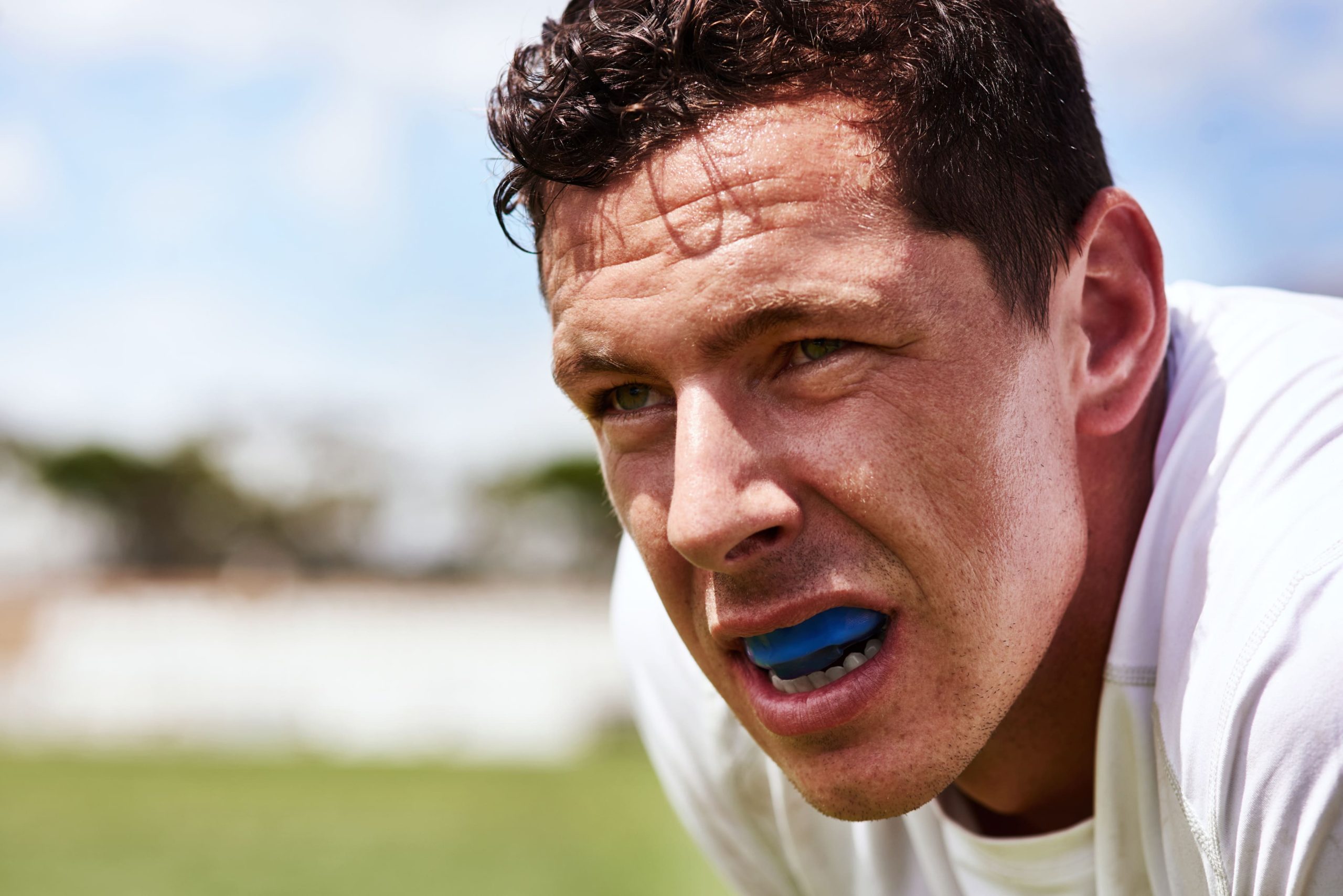
A clean tackle, a stray elbow, a cricket ball that takes an awkward bounce. Sport throws plenty at your face, and your teeth often pay the price. When a tooth gets chipped, loosened, or knocked clean out during a match, what you do in the first few minutes can decide whether that tooth survives.
This guide to sports injuries and broken teeth: emergency dental steps walks you through how to respond calmly and correctly, before you reach urgent dental care.
Why Teeth Take Such A Beating In Sport
Front teeth sit right in the firing line. A blow to the mouth during rugby, football, hockey, boxing, or even a fall off a bike can send force straight into the enamel and the structures that anchor each tooth. Cycling, cricket, skateboarding, and trampolining catch people out too, simply because nobody expects dental trauma from them.
There is a catch that makes sporting injuries trickier than they look. Adrenaline masks pain. You might feel fine in the heat of the game and only notice the damage once you have cooled down, which is why any knock to the mouth deserves a closer look afterwards.
Types Of Dental Trauma You Might Be Facing
Dental injuries sit on a spectrum, and knowing where yours falls helps you judge how urgently to act:
- Chips and craze lines: Fine surface cracks in the enamel and small breaks along the biting edge. Often painless, but still worth a check.
- Fractures: Deeper breaks that reach into the dentine or expose the nerve, which can leave the tooth sensitive or sore.
- Loosened or displaced teeth: A tooth shifted in its socket or pushed out of position by the impact.
- Root fractures: Hidden damage beneath a tooth that looks untouched, usually visible only on an X-ray.
- Avulsed teeth: A tooth knocked completely out of its socket. This is the most time-critical emergency of them all.
Cuts to the lips, tongue, and gums frequently come along for the ride, and they can bleed more than the injury warrants.
The First Few Minutes Matter Most
Before anything else, stay calm and take in the wider picture. If a heavy blow has landed on the head, watch closely for signs of concussion and resist the urge to head back onto the pitch. Do not get behind the wheel if you feel dazed or disoriented.
When a tooth has been damaged, your next steps depend on the type of injury you are dealing with.
Knocked-Out Adult Tooth
This is the most time-sensitive dental emergency of the lot. Lift it by the crown, the white part you normally see, and keep your fingers off the root. Give it a brief rinse in milk or clean water if it looks dirty, but never scrub it or pick away tissue clinging to the root.
Where possible, ease it back into its socket and bite gently on a clean cloth to hold it steady. Slotting it back within roughly fifteen minutes gives the strongest chance of success, while the delicate ligament cells on the root are still alive.
A Tooth You Cannot Reinsert
Keep it moist at all costs. Drop it into a cup of milk, or tuck it inside your cheek and let your own saliva do the work. Dry storage is the real enemy here, as most of those ligament cells perish after about thirty minutes out of the mouth. Push past sixty minutes of dry time, and the outlook falls sharply; whatever you do, let the clock guide your urgency.
Broken Or Chipped Tooth
Track down the fragment and store it in milk, since a dentist can sometimes bond it back into place. In the meantime, stick to soft foods, chew on the opposite side, and keep pressure off the injured tooth.
Loose Or Shifted Tooth
If it is still attached, leave it where it sits rather than forcing it back, and arrange an urgent assessment.
Bleeding And Swelling
Rinse gently with warm salty water, press a clean cloth or gauze against any bleeding soft tissue, and hold a cold compress against the outside of your face. Over-the-counter pain relief, taken as directed, helps tide you over.
Children And Baby Teeth
One firm rule applies here. Never push a knocked-out baby tooth back in, as this risks harming the adult tooth developing underneath. Reassure your child and ring a dentist for advice instead.
When To Treat It As A Dental Emergency
A knocked-out, displaced, or badly fractured adult tooth needs same-day attention, as does bleeding that will not settle. Seek urgent medical care straight away if you have heavy bleeding that will not stop, a suspected jaw fracture, or swelling that makes breathing or swallowing difficult. A small, painless chip is far less urgent and can wait for a routine appointment.
What The Dentist Will Do
Once you arrive, the dentist examines the tooth and surrounding gum, then takes X-rays to spot hidden cracks or root damage. A re-implanted tooth is generally splinted to its neighbours for around two weeks. Depending on what they find, treatment might mean bonding, a filling, a crown, or root canal work where the nerve has been exposed.
When a tooth genuinely cannot be saved, implants, bridges, or dentures come into the conversation later, once healing is complete. Follow-up checks matter because problems like a dying nerve can surface weeks after the visible damage settles.
Staying One Step Ahead Of The Injury
Prevention beats repair every time. A custom-fitted mouthguard, moulded to your own teeth, absorbs impact far better than a boil-and-bite version, which in turn outperforms a one-size-fits-all stock guard. A guard that fits well stays put during exertion and is far more likely to actually be worn.
Handling sports injuries and broken teeth, emergency dental steps come down to acting fast, keeping any displaced tooth moist, and getting professional eyes on the damage promptly. Keep this routine in mind, protect your smile with a proper mouthguard, and a hard knock need not cost you a tooth.